
Cleaning and inspecting the flow sensor
Water Heaters
Instant Water Heater Repair
Instant electric water heater repair: cold water, a tripping breaker, low pressure or error codes. Clear price first, 6-month written warranty. An instant heater warms the water as it flows, with no tank, so it saves space and has no tank heat losses — but it draws high power while running and struggles if more than one bathroom is used at once.
Agent Site is an independent repair center — not the manufacturer's authorized service or warranty provider.
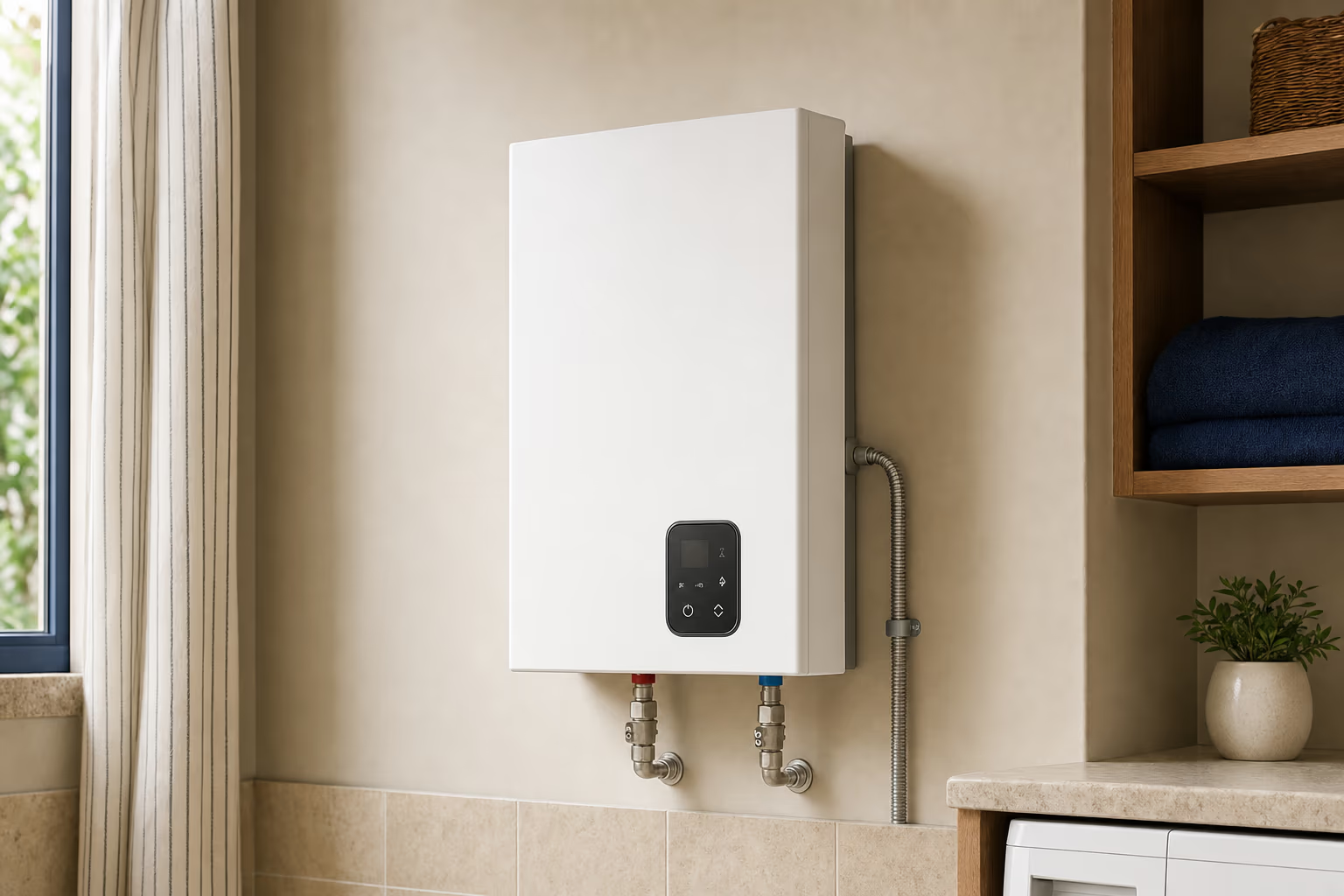
This page covers instant electric heaters: a powerful element heats the water as it flows, a flow sensor switches it on when you open the tap, and temperature sensors control it. The most common faults: a clogged flow sensor, scale on the heating elements, or weak water pressure. If your instant heater runs on gas, see the gas water heater page. Brands we work on include Rheem, Fresh and Ecomatic.
Signs your Instant Water Heater needs service
- The water is cold even though the heater is on
- The heater starts and shuts off quickly
- Weak hot-water pressure
- The breaker trips or the cable gets hot while it runs
- An error code on the display
- A high electricity bill despite limited use
Common technical faults
Faults we often meet when servicing this type.
- 01
A clogged flow sensor — the heater does not detect the running water
- 02
Limescale on the heating elements
- 03
Weak supply water pressure preventing the heater from running
- 04
A faulty temperature sensor (NTC)
- 05
A faulty electronic control board
- 06
A clogged inlet water filter
Instant Water Heater repair services
Removing limescale with a descaling agent
Replacing the temperature sensors
Checking and improving the water pressure
Replacing the control board
Installing a new instant heater on a suitably rated circuit and breaker
Tips to keep your Instant Water Heater running
- A water filter upstream of the heater is very important to reduce scale
- If the water pressure in the apartment is weak, a booster pump can help
- Have it descaled inside every 6 months by a technician, with the power off
- Do not run the heater for 2 bathrooms at the same time — its output drops
- Electric instant heaters draw a very high current: they need a dedicated circuit and breaker, the right cable size and an earth, installed by a technician — never on an ordinary plug
Water Heater fault guides
Fault guides that apply to this type — causes, safe checks and when to call a technician.
Instant Water Heater repair by brand
Pick your brand to see its common faults and error codes.
Instant Water Heater — frequently asked questions
What is the difference between instant and standard?
The instant type heats on demand with no tank, while the standard type has a tank that stays hot. The instant type avoids the heat lost from a tank, but it draws high power while running and is usually more expensive to buy.
Is an instant heater suitable for large apartments?
If 2 bathrooms are used at the same time, then no — an instant heater loses output with simultaneous use. Consider 2 heaters or a large standard heater.
Is water pressure important for an instant heater?
Very. If the pressure is below the model's minimum, the heater will not run at all. The minimum is in your model's manual — a booster pump helps if the pressure is low.
Does limescale affect an instant heater?
A lot. Water passes quickly over the heating elements and scale builds up on them. Descaling by a technician every 6 months keeps it working.
What is the lifespan of an instant heater?
Roughly 6–10 years; the actual lifespan depends on water quality, scale and power stability, and regular descaling and filter cleaning extend it.
Other Water Heater types
Need a technician for your Instant Water Heater?
Inspection, a clear price before the repair, and a 6-month written warranty.